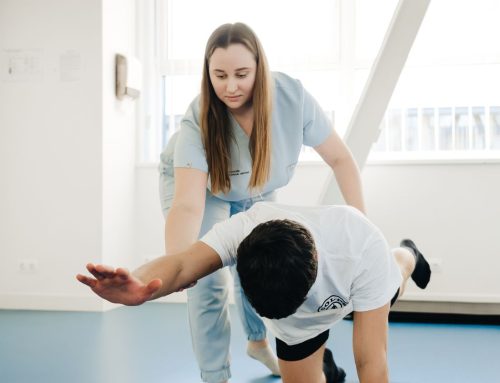

Pregnancy is an incredible journey, but it can take a significant toll on your body—especially your core muscles. Many new mothers experience weakened abdominal muscles, back pain, and pelvic discomfort, often caused by a condition called diastasis recti. Proper postpartum core strengthening for diastasis recti can play a crucial role in recovery, helping restore stability, reduce pain, and improve overall function.
Understanding Diastasis Recti
Diastasis recti occurs when the connective tissue (linea alba) between the left and right abdominal muscles stretches and weakens, causing the muscles to separate. This condition is common during and after pregnancy due to the pressure exerted on the abdominal wall. The most common symptoms include:
- A noticeable gap or bulge along the midline of the stomach
- Core weakness, making it difficult to lift objects or engage in physical activities
- Lower back pain due to compromised core stability
- Pelvic floor dysfunction, including urinary incontinence
If left unaddressed, diastasis recti can contribute to long-term instability and discomfort. Fortunately, targeted exercises can restore strength and function. ACOG recommends a gradual, supervised return to core exercise after pregnancy.
Safe Postpartum Core Strengthening Exercises
Recovering from diastasis recti and pregnancy-related core weakness requires a gentle, progressive approach. Avoid traditional crunches and sit-ups, which can worsen muscle separation. Instead, focus on exercises that activate the deep core and promote healing.
1. Diaphragmatic Breathing
Breathing deeply into your diaphragm helps engage the transverse abdominis (deepest core muscle) and initiate core reactivation.
- Lie on your back with knees bent and feet flat.
- Inhale deeply through your nose, expanding your belly.
- Exhale slowly through your mouth, drawing your navel toward your spine.
- Repeat for 10 breaths.
2. Pelvic Tilts
This simple movement strengthens the lower core and helps alleviate back pain.
- Lie on your back with knees bent and feet flat.
- Exhale as you tilt your pelvis slightly upward, flattening your lower back against the floor.
- Hold for a few seconds, then release.
- Repeat 10–15 times.
3. Heel Slides
Heel slides gently activate the deep core muscles without excessive strain.
- Lie on your back with knees bent.
- Inhale, then exhale as you slowly slide one heel away, keeping your core engaged.
- Inhale to return to the starting position.
- Alternate legs, completing 10 reps per side.
4. Bridge Lifts
Bridges strengthen the glutes and core, providing stability to the pelvis and lower back.
- Lie on your back, feet hip-width apart.
- Press your heels into the floor and lift your hips, squeezing your glutes.
- Lower slowly and repeat for 10–15 reps.
Managing Common Pregnancy-Related Pains
Many postpartum women continue to experience discomfort in the lower back, pelvis, and hips. Postpartum core strengthening for diastasis recti directly addresses several of these common issues:
Lower Back Pain
Weak abdominal muscles force the lower back to compensate, leading to pain and stiffness. Strengthening the core stabilizes the spine, reducing strain on the lower back. Our back pain relief approach is built around this principle.
Pelvic Pain & Instability
Hormonal changes and muscle imbalances can contribute to lingering pelvic discomfort. Engaging the deep core muscles helps provide better pelvic support and stability.
Postural Issues
Pregnancy shifts your center of gravity, often resulting in poor posture postpartum. Strengthening the core and back muscles restores proper alignment.
When to Seek Professional Guidance
If you experience severe core weakness, persistent pain, or difficulty engaging your core muscles, working with a physical therapist provides a safe, structured recovery plan. A trained specialist can assess your core function, guide you through personalized exercises, and ensure proper form to prevent further injury. Our team also has dedicated experience with pregnancy and postpartum pain.
Final Thoughts
Postpartum core strengthening for diastasis recti is essential for restoring stability, relieving pain, and supporting long-term health. By incorporating safe, targeted exercises into your routine, you can regain strength and confidence in your body. If you’re unsure where to start or need guidance, our team at PhysioHealth PT is here to help.
Call us at (781) 859-4189 or schedule an appointment online to begin your postpartum recovery journey.