September is the great American restart. Summer slows down, schedules tighten up, and a lot of people quietly resolve to “get back into it”—the gym, the running plan, the consistent yoga practice, the daily walks. It’s an energizing time, but it’s also when injury rates spike in clinics across the country.
Coming back to a routine after weeks or months off is one of the trickiest things to do well. A little patience and a few smart strategies make all the difference.
Why Restarting Causes So Many Injuries
Many people jump back into activity at the same intensity they left it. The body, however, has changed in the meantime:
- Muscles, tendons, and ligaments lose conditioning quickly
- Cardiovascular fitness drops after just a few weeks off
- Old aches that were quiet during summer can flare with sudden demand
- Footwear and gear may need updating after a season of casual wear
- Energy and motivation are high, which often leads to “overdoing it” early
The result: sore knees, sprained ankles, tight backs, and tendinopathies that show up within the first two weeks of a comeback.
Restart Smart This Fall
🍂 Start at 50%, Not 100%
Whatever you were doing before, cut volume and intensity in half for the first two weeks. Build back gradually from there.
🍂 Mix In Strength Work Early
Two short strength sessions per week is the fastest way to bulletproof joints for any activity—running, hiking, lifting, sports.
🍂 Don’t Skip the Warm-Up
Five minutes of dynamic movement before activity prevents most strains and tweaks.
🍂 Watch for Recurring Aches
If the same spot keeps hurting, it’s a signal—not bad luck. Address it before it sidelines the whole fall.
Simple Habits for a Stronger Fall
1. Aim for Consistency, Not Perfection
Three 30-minute workouts a week beats one 2-hour weekend marathon.
2. Refresh Your Footwear
Running shoes lose much of their support after 400–500 miles. Bad shoes are a fast path to knee and foot pain.
3. Build Sleep Back In
Recovery makes the routine possible. Most people need 7–9 hours, especially when ramping activity.
4. Hydrate Throughout the Day
Even with cooler weather, hydration affects how muscles feel and recover.
5. Listen for Early Warnings
Soreness is normal; sharp pain, swelling, or limping isn’t. Don’t push through real signals.
How Physical Therapy Helps With a Strong Restart
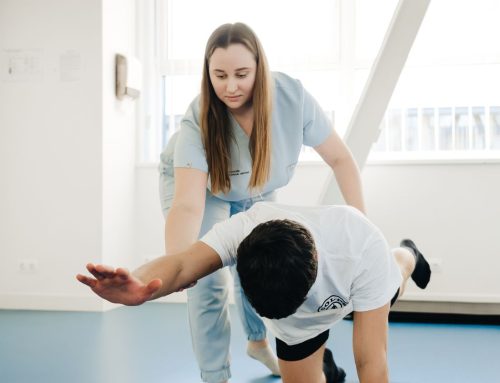
Whether you’re returning to running, lifting, sport, or just a more active daily life, PT can:
- Spot the imbalances that lead to first-month injuries
- Strengthen the muscles that protect your favorite activity
- Address old injuries that have been “managing” through summer
- Build a sustainable progression rather than a crash plan
- Help you come back stronger than you were last season
Make This Fall Your Best Season Yet
September is full of energy and momentum—the perfect ingredients for building a routine that actually sticks. With the right approach, this can be the strongest fall yet.
If you’re feeling stiff, sore, or held back from getting started, addressing it now is the difference between a strong fall and a sidelined one. 🍂