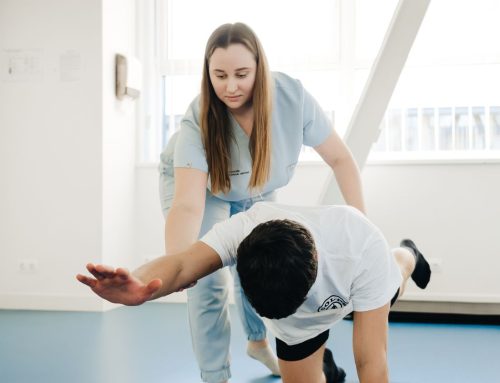

St. Patrick’s Day is known for festive celebrations, wearing green, and enjoying time with friends and family. Whether you’re heading to a parade, walking around town, or simply enjoying the energy of the season, it’s also a great reminder to take care of something truly valuable—your ability to move.
While we often think of “luck” when we think of St. Patrick’s Day, staying healthy and active isn’t about luck at all. It’s about making small, consistent choices that support your body.
Movement Is One of the Best Forms of Preventive Care
Many aches and pains develop gradually over time. Sitting too long, skipping warm-ups, or pushing through discomfort can slowly build into stiffness or injury. The good news is that incorporating healthy movement habits into your routine can help prevent many common issues.
Even simple activities like walking, stretching, or improving posture throughout the day can make a meaningful difference in how your body feels.
Common Movement Habits That Keep Your Body Feeling “Lucky”
Here are a few physical therapy-inspired habits to help you stay comfortable and active:
1. Keep Moving Throughout the Day
Long periods of sitting can contribute to tight hips, stiff backs, and neck discomfort. Standing up and moving every 30–60 minutes helps keep muscles and joints healthy.
2. Pay Attention to Posture
Good posture reduces unnecessary stress on the spine, shoulders, and neck. Try to keep your shoulders relaxed, spine tall, and head aligned over your body.
3. Stretch Tight Areas
Areas like the hips, calves, and shoulders tend to tighten from daily routines. Gentle stretching can restore mobility and reduce strain.
4. Build Strength Gradually
Strong muscles support joints and help protect your body from injury. Incorporating strength training—even a few times per week—can improve stability and overall movement.
Listen to What Your Body Is Telling You
Pain and stiffness are often early warning signs that something needs attention. Addressing these signals early can prevent them from turning into larger problems later on.
Physical therapists specialize in identifying movement imbalances, correcting posture and mechanics, and helping people
The clinical approach at PhysioHealth follows the evidence-based standards outlined by the American Physical Therapy Association. For specific treatments and services, explore our services or browse the communities we serve for nearby care.